
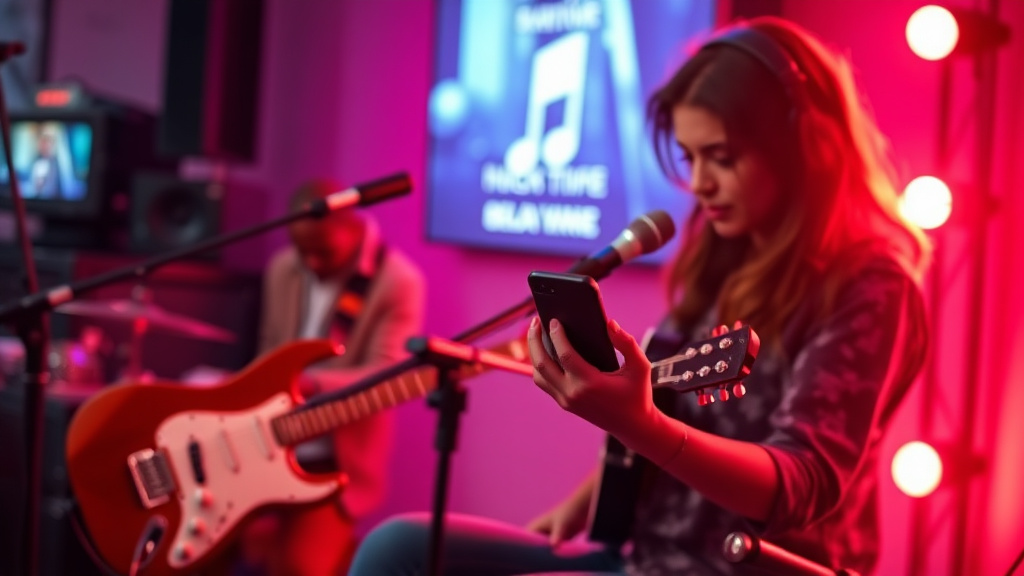
The music industry has undergone a seismic shift. Where physical albums and live event tickets once controlled artist revenue, streaming platforms now control the financial landscape. Spotify, Apple Music, and YouTube have fundamentally transformed how artists generate income from their craft, creating both new possibilities and notable obstacles. This article examines the evolving revenue models reshaping the industry, analyzing how artists navigate digital revenue systems, secure equitable payment, and adapt their strategies to succeed in an rapidly evolving digital world.
The Growth of Streaming Platforms and Its Impact on Music Sector Financial Dynamics
The move from physical media to online streaming services represents one of the most major economic shifts in music history. Over the previous decade, streaming services have evolved from niche offerings to dominant revenue sources, fundamentally altering how artists generate income. Platforms like Spotify, Apple Music, and Amazon Music now generate billions in annual revenue, together representing the majority of the music industry’s earnings. This transformation has made accessible to music, allowing listeners to enjoy millions of songs instantly, but has at the same time produced intricate financial challenges that challenge traditional artist compensation models.
The streaming sector functions through a distinctly different principle than traditional distribution methods. Rather than receiving fixed amounts per record sold, artists now earn micropayments calculated from total streams, typically ranging from $0.003 to $0.005 per stream. While this allows worldwide access and sustained revenue possibilities, the per-play rates often struggle to compensate artists sufficiently, notably up-and-coming musicians without substantial listener bases. Consequently, many artists have diversified their revenue strategies, blending streaming revenue with branded merchandise, live event sales, and direct fan support platforms to maintain viable livelihoods in this evolving landscape.
Exploring Streaming Payment Models
Streaming platforms utilize sophisticated payment systems that determine how earnings are allocated among artists, labels, and rights holders. These frameworks change considerably across various platforms, resulting in a fragmented market where earnings depend on platform choice, audience composition, and licensing agreements. Understanding these payment mechanisms is essential for creators looking to boost their earnings from streaming and make informed decisions about which platforms to prioritize in their distribution approach.
Per-Stream Royalty Rates
Per-stream rates show the amount artists earn for each individual play on a platform. These rates generally fall from $0.003 to $0.005 per stream, though rates vary considerably between services and regions. Spotify, the industry leader, pays approximately $0.003 to $0.004 per stream, while Apple Music provides somewhat elevated payouts around $0.007 per stream. These modest-looking amounts accumulate significantly for popular artists, yet present obstacles for emerging musicians building audiences.
The computation of per-stream payments involves multiple stakeholders demanding portions of revenue. Record labels, publishers, songwriters, and producers all receive shares prior to the artist collects their cut. Independent artists typically keep larger percentages, while signed artists negotiate splits with their labels. This distribution system means that generating substantial earnings demands millions of streams, creating income challenges for mid-tier and emerging artists.
Subscription vs Advertising Revenue
Recurring subscription income represents the principal source of income for typical streaming providers, with services like Spotify and Apple Music generating funds through recurring monthly payments. This model delivers more predictable and typically superior per-stream rates in contrast with ad-supported alternatives. Premium subscribers generate significantly more revenue than free-plan listeners, encouraging companies to shift audiences to paid accounts and creating pressure on artists to encourage paid memberships.
Advertising-based streaming platforms like YouTube Music and free Spotify tiers earn money through advertisements, resulting in substantially lower per-stream payouts to artists. While these platforms connect with wider audiences and function as discovery mechanisms, they provide minimal support to artist earnings. Musicians must strategically balance exposure through ad-supported platforms against the limited revenue they generate, often using them as marketing channels rather than main revenue streams.
Obstacles and Possibilities for Today’s Musicians
Modern musicians deal with significant obstacles in the digital streaming landscape. While platforms offer global reach and accessibility, compensation models remain disputed. Artists grapple with extremely low streaming payments, often making fractions of a cent per play. Solo artists particularly suffer, lacking leverage against large streaming services. Additionally, algorithmic promotion creates barriers for emerging artists vying for visibility. These financial constraints force many musicians to expand revenue streams through merchandise, licensing, and live performances, fundamentally changing how they approach their careers and creative output.
Conversely, streaming platforms offer significant potential for artists ready to evolve. Direct fan engagement tools allow self-released artists to develop dedicated fanbases without traditional gatekeepers. Performance metrics provide valuable insights into audience composition and tastes, guiding campaign tactics and creative direction. Playlist inclusion can produce massive streaming numbers in short order, accelerating career growth exponentially. Moreover, reduced release obstacles permit artists to release music frequently, preserving listener connection and earning potential. Established performers utilize these tools deliberately, treating streaming as a launch platform for varied earning opportunities and long-term artistic success.
The future demands innovation and resilience from musicians operating in this environment. Emerging technologies like NFTs, blockchain payments, and artist-direct channels present new income opportunities questioning streaming’s market control. Artist advocacy groups actively push platforms for fairer compensation structures. Meanwhile, musicians who adopt mixed strategies—combining streaming with live performances, merchandise, and fan memberships—develop stronger financial foundations. Success hinges on comprehending platform economics, preserving real fan engagement, and staying flexible as technology progressively alters the music industry’s financial foundations.
