
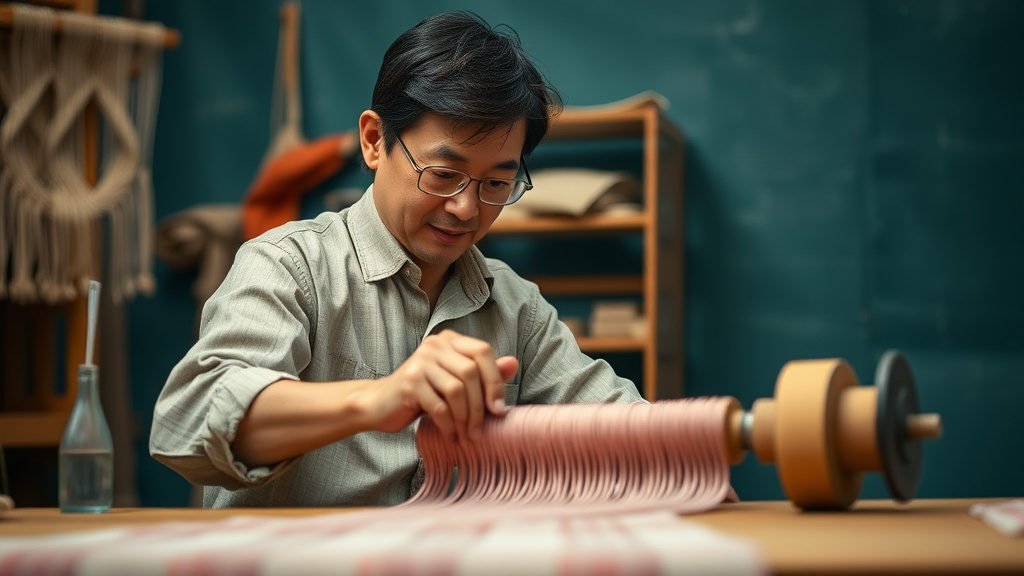
In a landscape of fast fashion and mass production, heritage craft workers are discovering an surprising way ahead—by integrating contemporary tools without leaving behind centuries-old techniques. From traditional looms enhanced by digital design software to organic pigments optimized through research-driven development, artisans globally are showing that ancestral methods and modern advancement are not incompatible. This article investigates how fabric artisans are successfully blending traditional approaches with modern equipment, ensuring their ancient crafts remain vibrant, eco-conscious, and relevant for future generations.
The Tradition of Time-Honored Weaving Traditions
Textile mastery stands as one of our species’ most esteemed and ancient artistic traditions, with roots reaching thousands of years across diverse cultures and civilizations. From the detailed silk work of ancient China to the colorful woven pieces of Peru and the delicate lace-making of Europe, traditional textile arts have functioned as keepers of cultural identity, spiritual expression, and technological innovation. These established traditions include a wide range of techniques such as hand-spinning, natural dyeing, weaving on conventional looms, and embroidery, each developed through generations of committed makers who transmitted their expertise through apprenticeship and oral tradition.
The value of time-honored textile techniques transcends artistic aesthetics; these arts reflect the beliefs, histories, and sustainability practices of their societies. Artisans who maintain these practices serve as cultural guardians, preserving techniques that reflect ecological stewardship and extensive ecological understanding accumulated over centuries. Today, as worldwide demand in authentic handcrafted goods remains strong, heritage textile craftspeople find themselves at a turning point where their ancestral skills are growing in value for their craftsmanship, distinctiveness, and cultural significance in an increasingly homogenized commercial landscape.
Connecting Past and Present in Textile Manufacturing
The integration of contemporary technology into time-honored textile production constitutes a transformative shift in how artisans engage with their craft. Rather than regarding digital tools as dangers to authenticity, today’s weavers and dyers recognize them as drivers of creative expression. This evolution allows craftspeople to expand their market reach, boost efficiency, and maintain economic viability while protecting the fundamental skills and creative perspective that characterize their cultural heritage. The result is a thriving textile industry that celebrates tradition while embracing innovation.
Modern Design Combines with Traditional Weaving
Digital design tools has revolutionized the early steps of textile manufacturing without diminishing the manual labor that distinguishes traditional woven textiles. Artisans now utilize CAD tools to visualize detailed patterns, explore color combinations, and map out intricate weave structures before engaging with their weaving looms. This technical aid reduces testing cycles, allowing textile artisans to direct their knowledge on the manual loom work. The combination of digital precision and manual craftsmanship creates superior textile products, uniting ancestral techniques with contemporary design sensibilities that attract modern consumers.
The incorporation of digital platforms has made accessible design development for weavers, especially in less developed areas where educational resources was previously limited. Weavers can now communicate across distances with design professionals, distribute designs worldwide, and respond quickly to market demands. Digital tools allows them to document traditional patterns digitally, safeguarding heritage practices for generations to come. This technological integration builds communities of practice, empowering artisans to stay competitive while keeping their heritage crafts financially viable and culturally relevant in current markets.
- Computer-aided design visualizes complex weaving patterns with precision
- Automated color matching ensures consistency throughout successive production runs
- Pattern documentation maintains traditional designs for upcoming craftspeople
- Distributed teamwork links weavers with global design communities
- Software minimizes material waste through precise pre-production planning
Skilled Makers Driving the Creative Wave
Innovative craftspeople across the world are driving a revolutionary shift that confronts the false dichotomy between tradition and innovation. These artisans acknowledge that adopting modern techniques need not undermine their cultural heritage; instead, innovation acts as a facilitator that expands their creative potential. By incorporating digital tools, eco-friendly resources, and modern commercial strategies into their studios, these trailblazers showcase that fabric artistry can prosper in the modern era. Their collaborative spirit transcends solo practitioners, as they exchange expertise through internet channels, training initiatives, and global connections, creating a dynamic community where ancient wisdom intersects advanced technology.
The inspiring examples emerging from this movement motivate many up-and-coming craftspeople to take up textile craftsmanship as a fulfilling and practical career. Textile artisans of all specialties now can tap into unprecedented resources—from online training programs with experienced artisans to financial support systems that enable ethical manufacturing. These creative professionals harness social media to present their work globally while maintaining ethical labor practices and environmental stewardship. Their focus on honoring time-tested techniques while adopting thoughtful innovation demonstrates that textile artisanship represents not a outdated tradition, but a living, adaptive practice equipped to tackling modern issues while respecting centuries of accumulated knowledge.
Preserving Heritage for Coming Generations
The safeguarding of conventional weaving arts relies essentially on engaging younger generations and creating viable economic pathways for skilled makers. Educational initiatives that combine hands-on training with technology skills are becoming increasingly vital, enabling trainees to master ancestral techniques while grasping contemporary consumer needs. Cultural institutions, heritage groups, and preservation organizations increasingly partner with textile communities to document traditional methods, develop credential systems, and develop sustainable business models that honor craftsmanship while guaranteeing equitable payment and skill development prospects.
As consumer awareness grows regarding responsible manufacturing and environmental sustainability, traditional textile makers find themselves positioned at the forefront of a worldwide shift toward conscious consumption. By openly revealing their stories, manufacturing processes, and heritage value through digital platforms and digital networks, artisans engage directly with audiences valuing authenticity and heritage. This immediate connection not only generates economic support but also inspires younger craftspeople to adopt their heritage traditions, ensuring that time-honored techniques keep thriving alongside modern innovations for future generations.
