
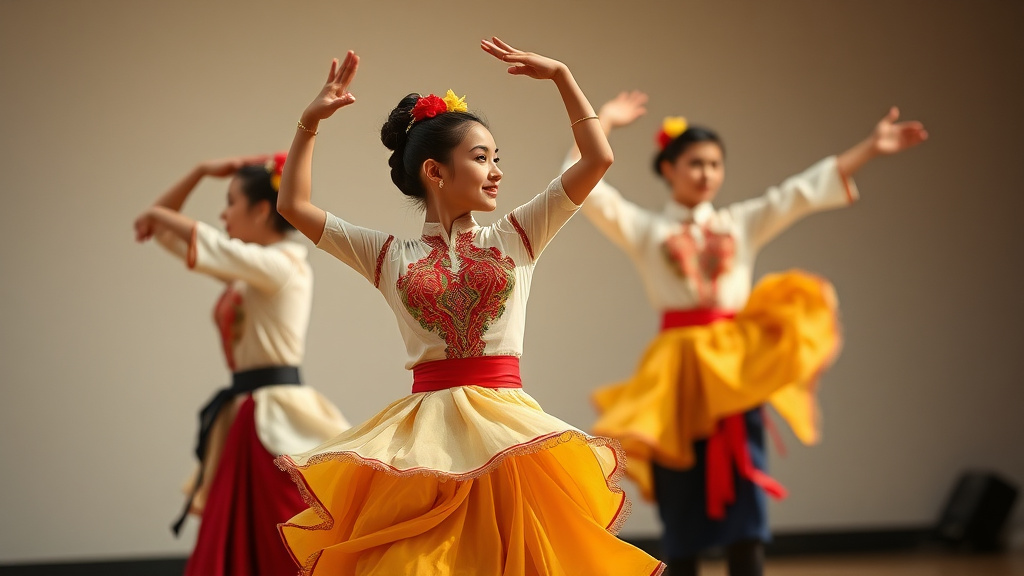
Classical ballet, once limited to ornate theaters and elite audiences, is witnessing a revolutionary transformation. Today’s top-tier ballet companies are courageously reinventing classical techniques, blending traditional choreography with contemporary music, multimedia elements, and varied performers. From New York to Tokyo, these institutions are challenging conventions and drawing younger, more global audiences without diminishing artistic integrity. Discover how the world’s leading ballet companies are safeguarding their heritage while moving this timeless art form into the 21st century.
Blending Legacy with Contemporary Dynamics
Classical ballet ensembles internationally are discovering that tradition and innovation don’t have to be mutually exclusive. By thoughtfully integrating contemporary movement vocabulary into classical frameworks, choreographers are creating performances that honor the discipline’s rich heritage while addressing modern sensibilities. This nuanced interplay allows audiences to recognize the sophistication of established methods while experiencing fresh artistic perspectives that reflect contemporary cultural conversations and aesthetic preferences.
The development of ballet reflects broader societal changes toward inclusivity and experimentation. Companies are reinterpreting classical stories, updating musical accompaniments, and incorporating diverse physical expressions from contemporary dance, hip-hop, and global dance forms. These purposeful fusions produce dynamic productions that preserve technical precision while delivering unexpected emotional resonance. Younger dancers and audiences find themselves captivated by works that seem both classic yet powerfully contemporary to their personal journeys and artistic sensibilities.
This innovative approach has shown commercially and artistically successful, demonstrating that classical ballet can prosper in the twenty-first century without abandoning its core values. Theaters document greater attendance figures, broader audience appeal, and renewed critical acclaim when companies implement thoughtful experimentation. The blend of traditional and modern styles represents not a abandonment of ballet’s essence but rather an evolution that ensures this remarkable cultural tradition remains vibrant, engaging, and relevant for future generations.
Fusion Movement Methods
Creative choreographers are designing blended approaches that effectively combine classical ballet vocabulary with current movement practices. These approaches uphold the precision, grace, and technical demands of traditional ballet while incorporating flowing, earth-connected motion characteristic of modern dance. By instructing artists in both disciplines, companies produce performers equipped to deliver complex fusion choreography that pushes conventional boundaries. This expanded movement vocabulary facilitates more compelling narratives and greater emotional complexity within traditional structures.
Successful fusion choreography requires deep understanding of both traditions and intentional artistic choices about when and how to blend techniques. Choreographers thoroughly examine classical vocabulary’s cultural background while investigating how contemporary movement can enhance emotional authenticity. The process includes collaborative experimentation, where dancers offer input on movement quality and transition fluidity. This methodology has created breakthrough works that attract diverse audiences while earning respect from classical ballet purists who appreciate the technical mastery and creative authenticity demonstrated through thoughtfully executed fusion pieces.
- Adding floor work and grounded movement into classical ballet vocabulary
- Combining pointe technique with improvised contemporary movement and pedestrian styles
- Fusing hip-hop beats with traditional musical scores and classical choreographic styles
- Merging narrative storytelling with abstract contemporary dance concepts
- Employing multimedia projections paired with traditional ballet technique showcases
Digital Platforms and Worldwide Presence
The rise of internet-based tools has significantly changed how classical ballet connects with audiences worldwide. Video streaming services and social media channels now permit ballet companies to overcome geographic limitations, bringing performances directly into homes across continents. This opening up of opportunities has been essential in cultivating new audiences who might never have seen classical ballet in established theatrical spaces, thereby expanding the art form’s cultural footprint exponentially.
Leading ballet institutions have strategically embraced digital innovation to maintain relevance in an ever-more digital world. By allocating resources to premium video content creation and online distribution, companies guarantee their creative work remains accessible to varied audiences and age groups. This digital transformation has also opened new possibilities for cross-border partnerships, enabling dancers and choreographers to share creative ideas seamlessly across time zones and borders.
The financial impact of digital expansion extend beyond ticket sales, unlocking revenue streams through membership platforms and digital content licensing. Ballet companies now leverage data analytics to comprehend viewer preferences, customize content recommendations, and optimize engagement strategies. This data-driven approach empowers organizations to develop well-founded plans about upcoming shows while upholding the artistic excellence that defines classical ballet.
Streaming and Remote Performances
Professional streaming services focused on dance have emerged as major innovations in classical ballet accessibility. Platforms providing on-demand access to complete performances, documentaries, and backstage footage attract dedicated supporters and new audiences. These services deliver flexible viewing options, allowing audiences to enjoy exceptional ballet works at their convenience while helping creators through sustainable revenue models.
Online shows and live-streamed productions have demonstrated significant worth during times when theaters faced closures. High-definition cinematography and creative filming techniques enhance the viewing experience, sometimes offering perspectives impossible to achieve from conventional seating in physical venues. This technological sophistication demonstrates that online formats can enhance without replacing the traditional ballet art form, drawing viewers worldwide numbering in the millions.
Audience Engagement and Accessibility
Modern ballet companies recognize that accessibility is paramount to cultivating new audiences. By providing online viewing services, reasonably priced tickets, and grassroots engagement initiatives, these institutions make accessible classical ballet. Virtual performances during the pandemic revealed untapped global markets, enabling viewers worldwide to experience live productions from their homes. Many companies now offer introductory workshops and behind-the-scenes content, demystifying ballet’s intricate techniques and encouraging broader participation across socioeconomic backgrounds.
Interactive experiences have proven essential in audience connection methods. Ballet companies host pre-show talks, social media engagement initiatives, and school collaboration programs to nurture young talent and interest. Diverse casting and modern narratives connect with audiences seeking representation and relevance. These innovations convert passive observation into engaged involvement, creating loyal communities dedicated to ballet’s transformation while honoring its traditional roots and supporting long-term development.
