
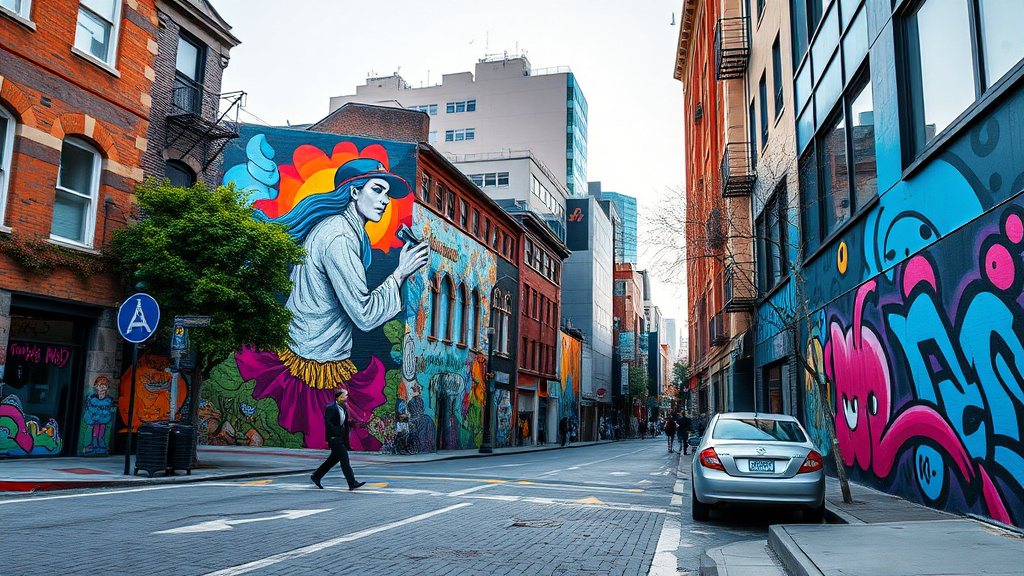
What was once criticized for vandalism has transformed into a recognized artistic medium that engages millions around the world. Modern street art has reshaped urban landscapes, transforming gray concrete walls and abandoned passages into dynamic public galleries. From intricate murals to thought-provoking installations, artists are reclaiming shared environments and generating neighborhood discussions. This article investigates how street art reshapes neighborhoods, enhances local culture, and questions traditional notions of where art belongs, proving that creativity prospers outside traditional venues.
The Emergence of Street Art as Recognized Art Form
Street art has experienced a significant transformation over the past two decades, transitioning from a marginalized street-based movement into a internationally acclaimed artistic discipline. Leading cultural institutions now showcase street creators alongside traditional painters and sculptors, affirming their role in modern artistic expression. This shift reflects shifting cultural views toward creative expression in public spaces and individual creative vision. Artists like Banksy, Shepard Fairey, and JR have elevated street art to worldwide acclaim, proving that talent transcends institutional boundaries and that true creative work resonates with varied global audiences.
The legitimization of street art stems partly from its clear artistic mastery and conceptual depth. Modern street artists employ advanced methods, color science, and artistic vision on par with traditional studio artists. Many street artists possess professional art education and deliberately choose urban environments as their canvas for philosophical and political purposes. This deliberate creative strategy distinguishes modern street art from basic graffiti or vandalism. Collectors, curators, and critics now recognize street art’s importance to society, acquiring artworks and recording artists’ impact on city transformation and social cohesion.
Institutional validation has increased street art’s credibility through displays, funded projects, and archival programs. Cities globally now hire professional muralists for community initiatives, regarding street art as vital urban infrastructure. Art institutions record street artists’ work prior to removal, securing historical preservation. This official endorsement ironically undermines street art’s counter-cultural origins while at the same time making more accessible art appreciation. By incorporating street art into mainstream culture, communities recognize that true artistic vision belongs in all spaces, not confined to high-end art venues reserved for privileged viewers.
Community Impact and Urban Revitalization
Contemporary street art has become a significant driver for community revitalization and civic participation. Beyond its aesthetic appeal, vibrant murals and installations promote social cohesion by generating shared cultural experiences. These artworks spark conversations, celebrate local culture, and provide platforms for underrepresented communities. Communities witnessing street art thriving report greater sense of pride and stronger neighborhood bonds. When residents see their streets converted into artistic spaces, they form stronger attachments to their surroundings and participate more fully in neighborhood improvement projects.
Economic Gains for Small Businesses
Street art significantly boosts regional economic growth by bringing in foot traffic and foot traffic to underutilized neighborhoods. Vibrant murals transform commercial districts into Instagram-worthy destinations, encouraging visitors to check out local shops, cafes, and restaurants. Property values in street art-rich areas often increase as neighborhoods gain appeal. Business owners cite increased customer interaction and spending when adjacent to striking artistic displays. This economic renewal generates job creation and encourages entrepreneurship within communities.
The presence of quality street art reflects neighborhood investment and care, conveying security and energy to potential customers and investors. Businesses leverage creative environments through themed marketing campaigns and social media promotion. Mural tours and community gatherings focused on murals create additional revenue streams. Local entrepreneurs actively partner with street artists to develop custom artworks, combining commerce with creativity. This symbiotic relationship boosts the community’s economic growth while providing financial support to artists.
- Rising visitor flow and patronage to community businesses
- Higher property values and neighborhood desirability ratings
- Visitor income from creative audiences and heritage seekers
- Career prospects for creative practitioners and artistic workers
- Improved market presence through art-based initiatives
Deliberate capital allocation in street art infrastructure produces measurable economic returns for neighborhoods. Cities launching public art programs report significant growth in business revenue and property tax income. The economic ripple extends beyond immediate commercial gains, bringing corporate partnerships and cultural institutions. Neighborhoods reshaped by street art become destinations for artists and designers, further stimulating economic growth. This evidence shows that supporting street art represents prudent economic decision alongside cultural enrichment.
Notable Street Artists and Their Global Influence
Banksy, the enigmatic British street artist, has become synonymous with provocative political statements and satirical visuals. His stencil creations question power structures and ignite conversations, appearing on streets from Palestine to London. Banksy’s reach goes beyond aesthetic effect; his pieces sell for staggering amounts establishing street art as an investment opportunity. Through witty comedy and profound messages, he has influenced many artists worldwide to employ public locations as platforms for activism and artistic output.
JR, a Parisian photographer and street artist, revolutionized urban art through expansive photo-based pieces. His acclaimed “Women Are Heroes” project brought attention to underrepresented populations worldwide, converting favelas and conflict zones into artistic venues showcasing the dignity of humanity. JR’s participatory model engages local populations in creating art, cultivating local pride and social awareness. His art demonstrates how street art surpasses aesthetic boundaries to become a effective medium for human rights narratives and worldwide transformation.
Shepard Fairey’s iconic imagery, especially the Obama “Hope” poster, showcases street art’s ability to impact popular culture and political movements. His distinctive style blends pop art aesthetics with social activism, reaching audiences far beyond traditional art circles. Fairey’s work has progressed from grassroots graffiti to widespread acceptance, demonstrating that street artists can gain market acceptance while upholding artistic integrity and social consciousness.
